


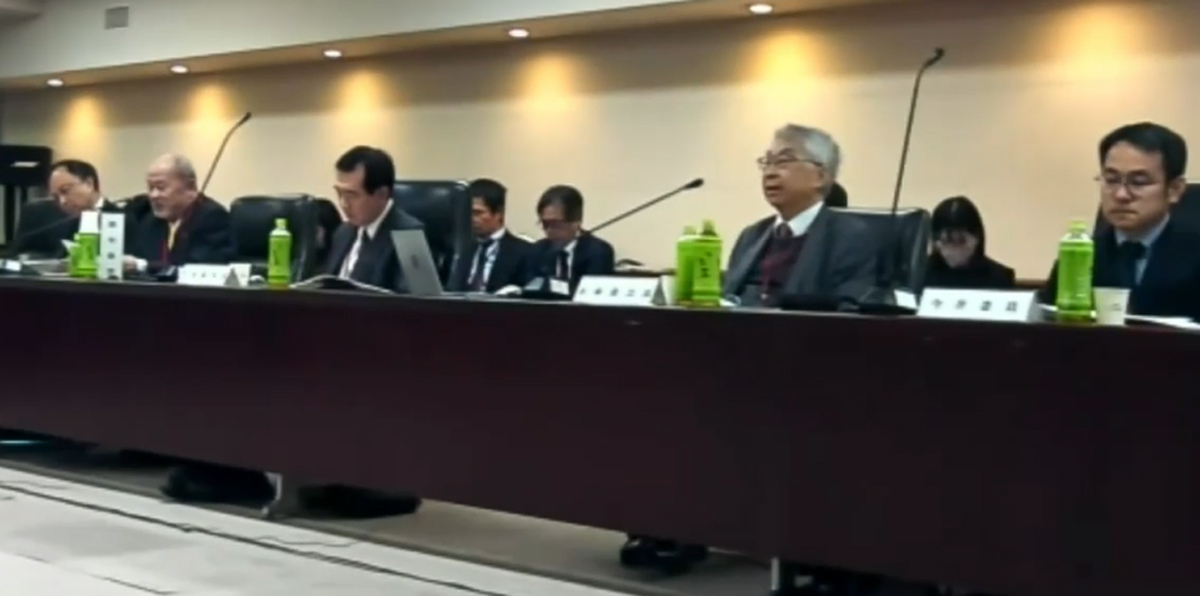
On November 28, the Ministry of Land, Infrastructure, Transport and Tourism held a joint meeting of the Planning Subcommittee of the Social Infrastructure Development Council and the Planning Subcommittee of the Transportation System Division of the Transportation Policy Council. At this meeting, they compiled a final draft of the next Priority Plan for Social Infrastructure Development and the Basic Transportation Policy Plan, covering the period from 2026 to 2030, incorporating public comments and opinions from the previous joint meeting. Moving forward, they will submit their recommendations to the Cabinet for approval, after which they will implement policies based on the basic principles and priority objectives outlined in both plans.
<Scenes from the joint meeting>
The draft basic plan for transportation policy consists of four main points: "Realizing transportation adapted to local challenges that support local communities" (Basic Policy A), "Realizing a transportation network and system that supports a growth-type economy" (Basic Policy B), "Realizing a strong and flexible transportation infrastructure that supports a sustainable, safe, and secure society" (Basic Policy C), and "Evolving transportation services in response to changes in the times and environment by utilizing the power of digital and new technologies" (Basic Policy D).
Of these, Basic Policy B sets "realizing sustainable logistics through the best mix of diverse policies" as one of its goals, and aims to secure logistics that support a growth-type economy through "new modal shifts" and other means.
<Achieving sustainable logistics through the best mix of diverse policies>

In his closing remarks at the joint meeting, Hirohisa Tsuruta, Director-General of the Comprehensive Policy Bureau of the Ministry of Land, Infrastructure, Transport and Tourism, stated, "Since the consultation in April of last year, we have had seven enthusiastic discussions over the past year and a half. The Ministry of Land, Infrastructure, Transport and Tourism will continue to implement policies on both a defensive and offensive side so that this plan can serve as a compass for stakeholders, including local governments and the private sector, and so that we can all work together to create a better future."


